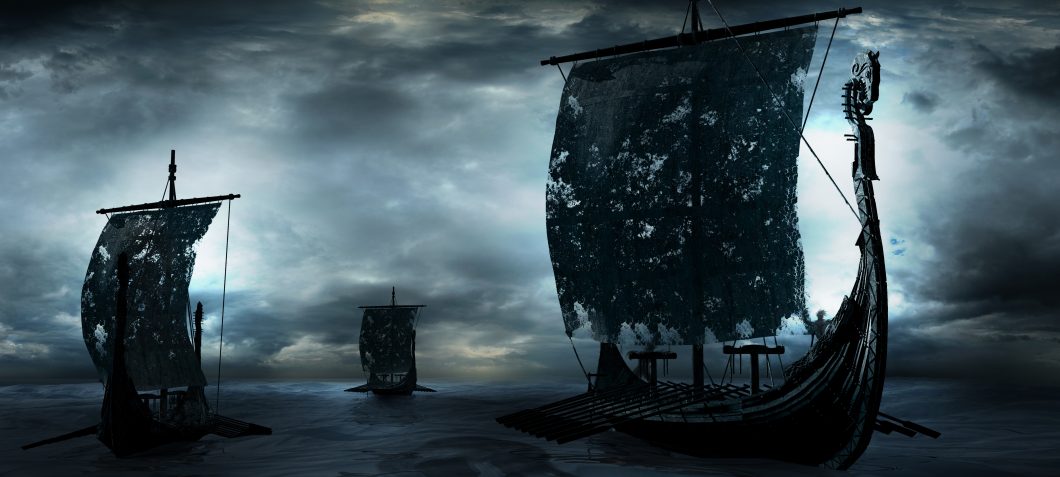
Symbols were a very important part of Norse society; they were used in every part from farming to war and all of these symbols showed their faith in their gods. These symbols were more than just a meaning they had a supernatural energy to them, allowing Vikings to have protection during war or Norse farmers to have a good harvest. Many symbols were lost completely since the Viking age ended in 1066, however many still exist and making their presence known!
Valknut
The Valknut or the “knot of those slain in battle” is the symbol of Odin. This was a symbol of those who fell in battle, who were said to journey to Valhalla (the hall of the slain) if they died honorably in war. This hall of the slain was the hall of Odingiving the reason why this symbol is seen as Odin’s symbol, representing a warrior and someone who will journey to Valhalla when their fate finally ends. The Valknut also represents the 9 worlds in Norse mythology, every corner of the interlocking triangles represents one of the 9 worlds. These symbols were found in many Viking graves along with other symbols associated with Odin such as a raven or a wolf brining this symbol as Odin’s symbol.
#Valknut
Vegvisir, Viking Compass
The Vegvisir also known as the Viking compass is a controversial Viking symbol, very little is known of its origin. However nowadays it is seen as an important and strong symbol for those who follow Norse beliefs or find interest in Norsemythology. This symbol is said to bring guidance to those who hold upon this symbol when on a long journey or when lost they will always find their way. This is a great symbol for those looking for guidance throughout life or those who are adventuress and always want to have the energy of guidance from the gods.
#Vegvisir
Aegishjalmur, The Helm of Awe and Terror
The Aegishjalmur is often confused with the Vegvisir however they are different even though at a glance look very similar. The Aegishjalmur is known as the symbol of protection within the Norse. It is also known as the Helm of Awe or Terror. Many Vikings during war would draw this symbol on their forehead for protection and to bring fear to the enemies. The symbol nowadays is seen mostly as tattoos for symbolizing their belief in Asatru or a protection symbol. This symbol was seen in many Norse sagas, most famously the Saga of Volsunga.
#Aegishjalmur
Mjolnir
The Mjolnir was by far the most popular symbol during the Vikings age seen all over Scandinavia and others found in areas such as Iceland. Mjolnir was the symbol of Thor seeing that Mjolnir was Thor’s hammer. This hammer was a symbol of protection and strength to all who wore it. It was usually found as an amulet allowing them to bring the symbol with them wherever they journeyed. It was also known to bless marriages to bring fertility. This symbol continued even after the Viking ages ended and many Vikings would wear Mjolnir alongside the cross of Christianity.
#Mjolnir
These are only four of many symbols of the Vikings, so subscribe to find out more awesome information about the Vikings daily lives, rituals, magic and war.

 Valhalla Nation Blog